
Methodology & Process
Understanding the intersection of chemistry and artistry in textile pattern creation
Our Approach
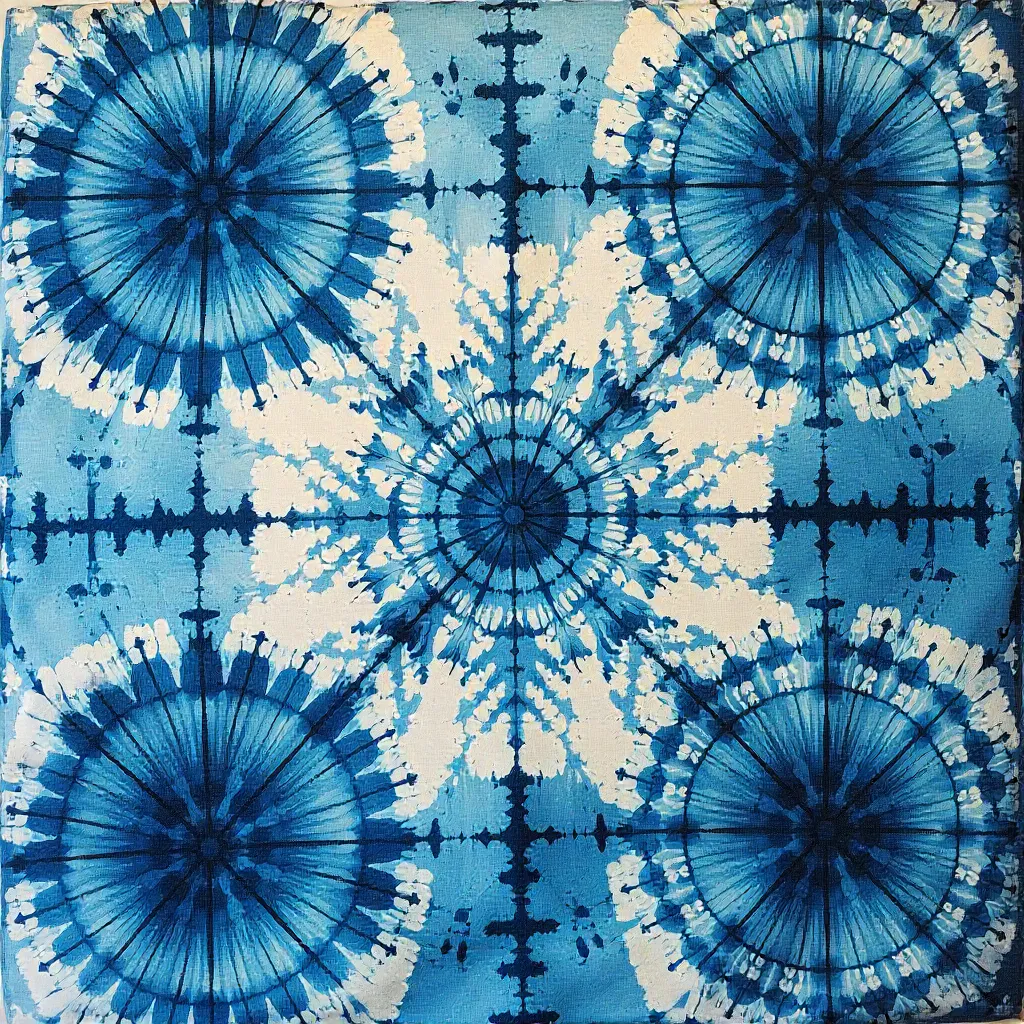
Scientific Foundation
Every pattern begins with understanding molecular interactions. We analyze fiber structure, dye chemistry, and environmental factors to predict outcomes.

Artistic Expression
While grounded in science, our work embraces the unpredictable beauty of organic processes. Each piece reflects controlled chaos.
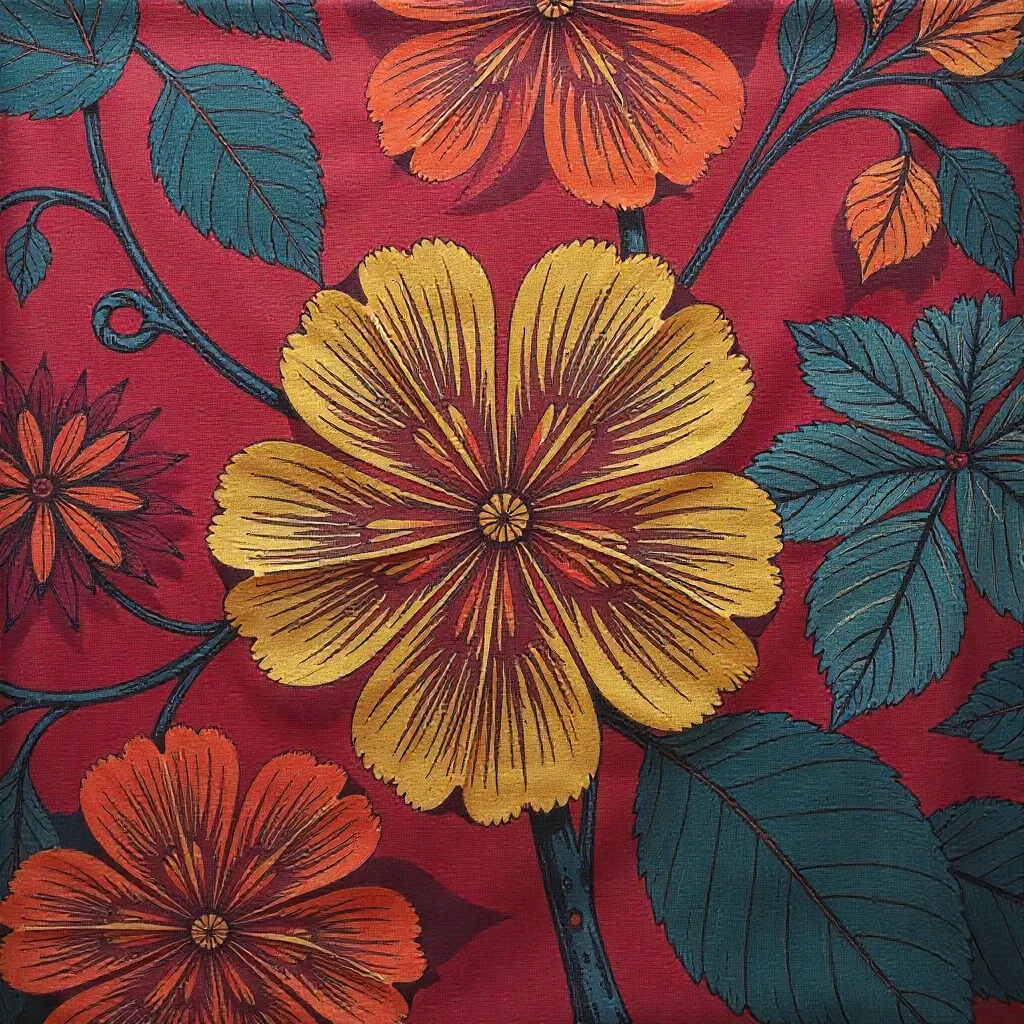
Quality Standards
Consistent results require precise control. We maintain detailed documentation of every variable in our dyeing processes.
Technical Specifications
Batik Methodology
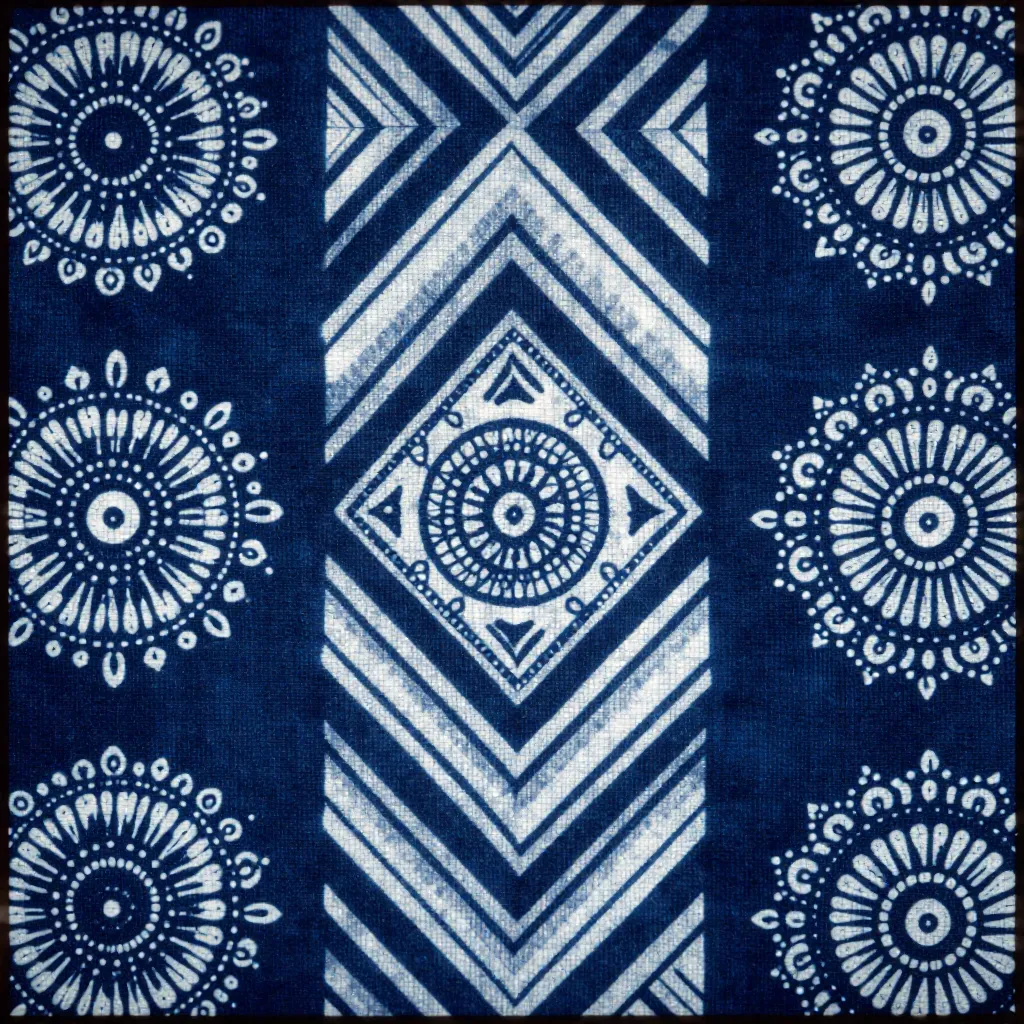
Wax resist application follows geometric principles. Temperature control ensures proper wax penetration without compromising fabric integrity. Multiple dye baths create layered color complexity.
Shibori Techniques
Fabric manipulation employs mathematical folding patterns. Binding tension directly correlates with pattern density. Our approach uses calculated compression ratios for predictable outcomes.
Tie-dye Dynamics
Radial binding creates centrifugal dye flow. The relationship between binding radius and dye viscosity determines pattern spread. We calculate optimal binding intervals for desired effects.
Color Formulation
Each color recipe considers fiber type, dye class, and desired saturation. We maintain a database of successful formulations for consistent reproduction and custom matching.
Facility & Equipment
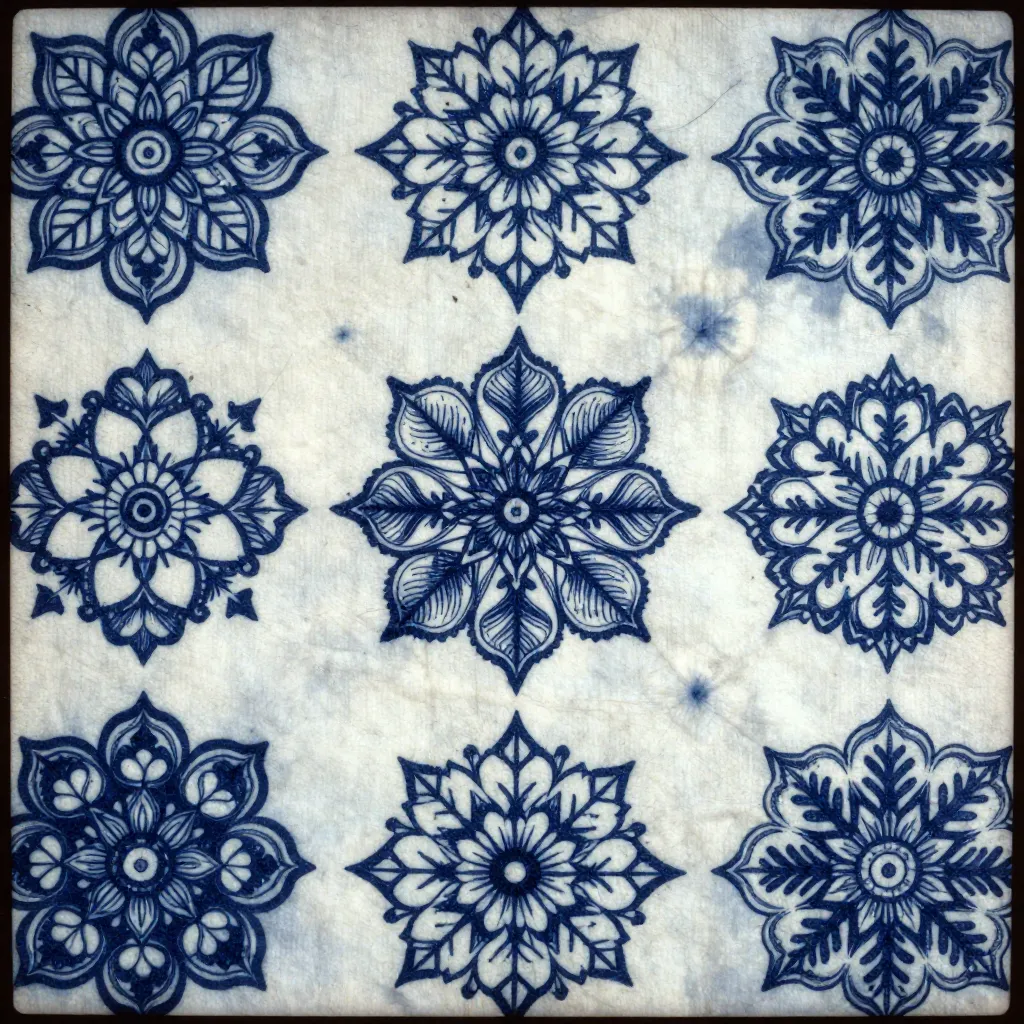
Temperature Control Systems
Precise thermal regulation ensures optimal dye activation. Our equipment maintains consistent temperatures throughout the saturation process.
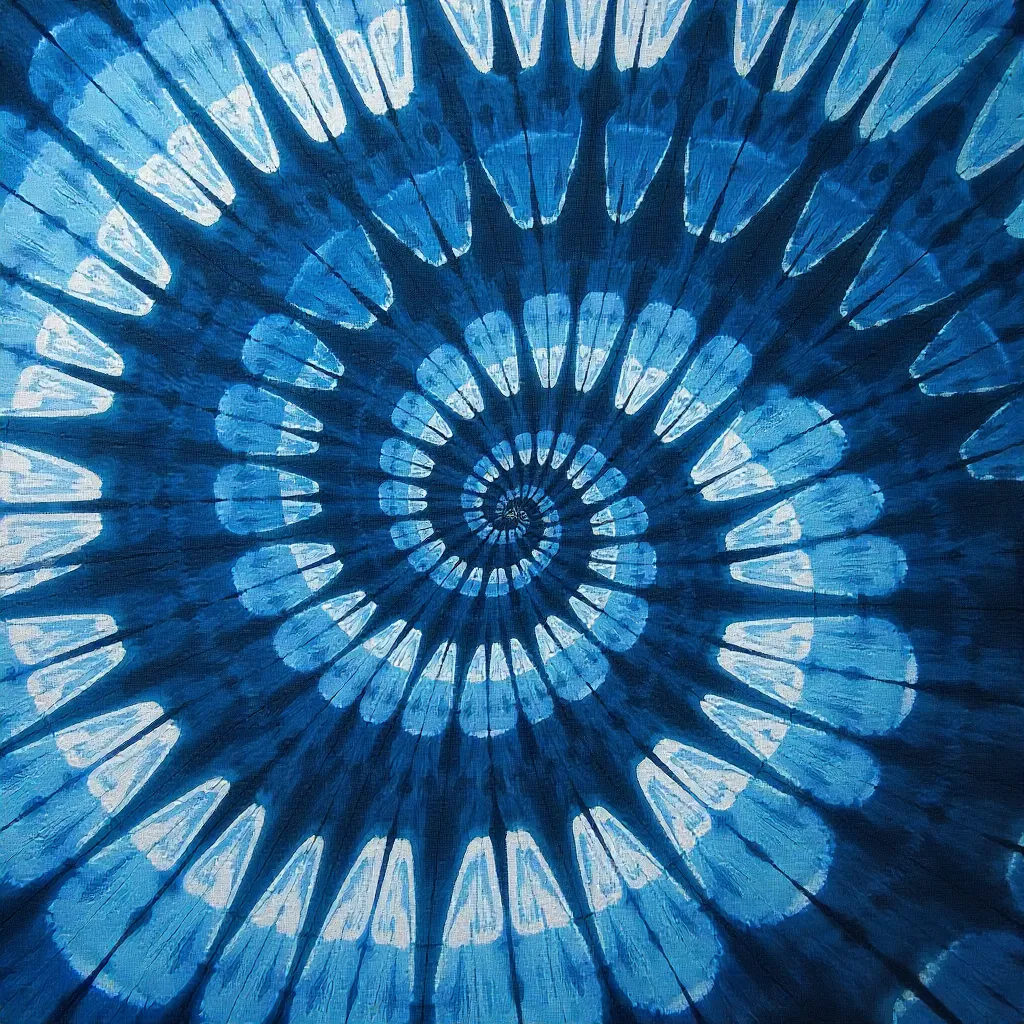
Testing Laboratory
Colorfastness testing and fiber analysis occur in our dedicated laboratory space. This ensures product durability and performance standards.
Preparation Area
Fabric pretreatment and pattern application happen in controlled environments. Proper preparation is essential for successful dye bonding.
Our Philosophy
We view textile dyeing as a sophisticated chemical reaction where precision meets unpredictability. Our methodology respects both the scientific principles that govern molecular interaction and the organic beauty that emerges from controlled processes. Every pattern tells a story of molecular migration, chemical bonding, and artistic intention.